







Search Results for: Dripper Selection
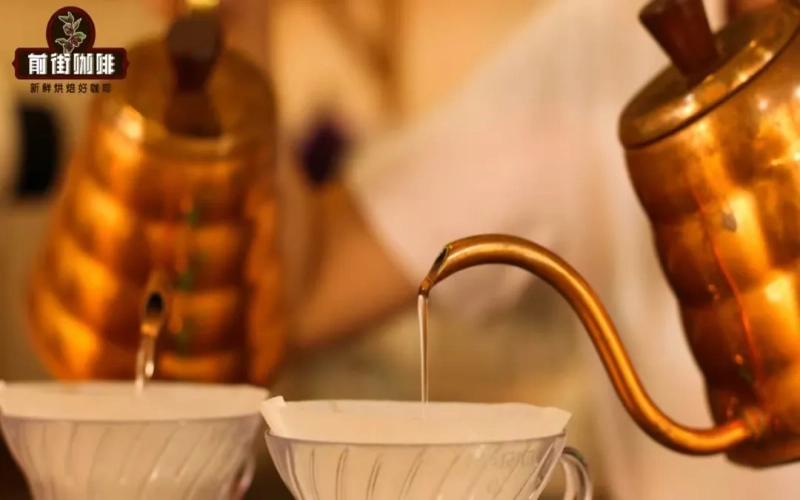
A Beginner's Guide to Pour-Over Dripper Selection: Differences Between V60 and Kono Conical Drippers and Coffee Bean Recommendations
Want to make a good cup of coffee easily at home? Pour-over is a relatively low-barrier, budget-friendly choice. In a basic pour-over setup, the dripper has a big influence on the final flavor direction. There are many kinds of conical drippers on the market, among which the Hario V60 and the Kono are the most common. The two look similar in shape, but their rib structures, how well the filter paper fits, and their flow rates are completely different, and the extraction results they produce each have their own leanings. This article will start from the principles of the equipment, compare the characteristics of the V60 and the Kono, explain what kinds of coffee beans and taste preferences each is suited to, and recommend several matching single-origin beans from Front Street Coffee, to help beginners choose the right first dripper according to their own preferences. [more…]
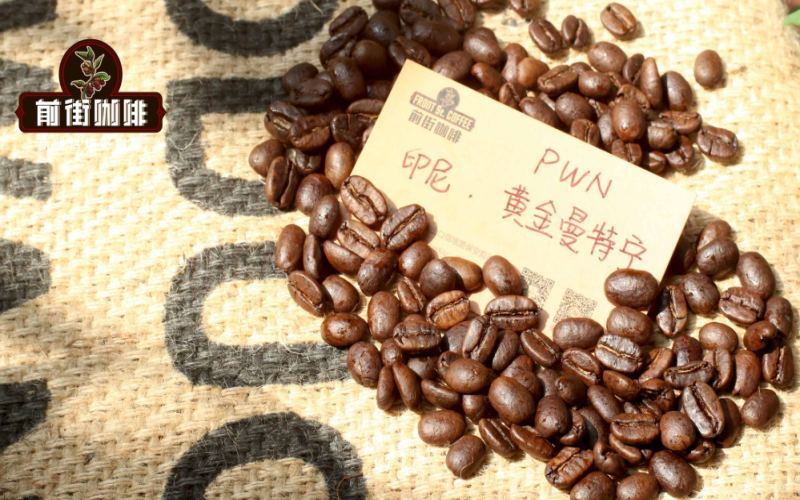
Master the Key to Deep-Roasted Mandheling Pour-Over: A Complete Guide from Bean Selection to Three-Stage Pouring
Mandheling is a classic category that coffee lovers can't avoid, but many people often encounter the problems of burnt bitterness and heavy off-flavors when brewing dark-roasted Mandheling. This article starts with Front Street PWN Golden Mandheling, first recounting the historical origins behind the name Mandheling, then focusing on key steps such as dripper selection, coffee dose, coffee-to-water ratio, grind size, water temperature, and pouring technique, breaking down one by one how to make a cup of dark-roast pour-over coffee that is both rich and clean, with caramel sweetness and chocolate notes. If you also want to rid your Mandheling of bitterness and bring out a high level of sweetness, this tutorial will give you a clear direction for action. [more…]
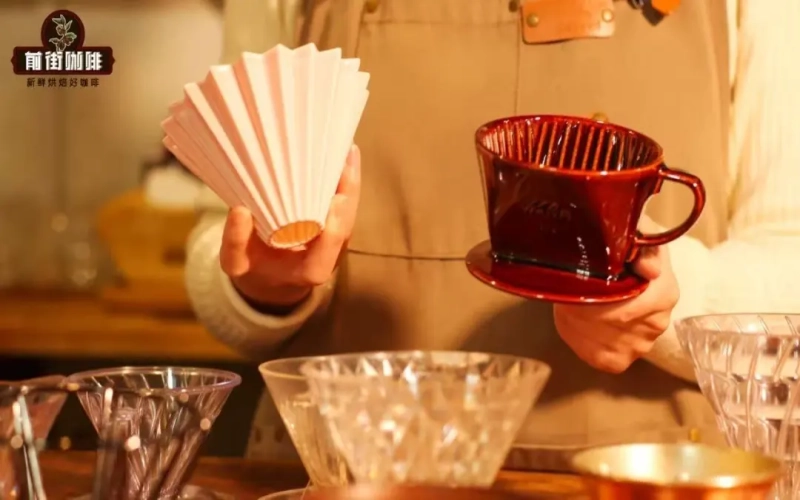
Pour-Over Coffee Dripper Selection Guide: Brewing Parameters and Pairing Suggestions for Light and Dark Roast Beans
In pour-over coffee, the choice of dripper is often overlooked by beginners, but it actually directly affects extraction time, method, and ultimately the flavor in the cup. Drawing on everyday brewing experience, Front Street Coffee offers dripper pairing suggestions for coffee beans of different roast levels. Light-roasted beans suit fast-flow conical drippers like the V60 to highlight floral and fruity aromas and layering; dark-roasted beans are better matched with slow-flow drippers like the Kono to enhance body and sweetness. The article also uses Granja Geisha and PWN Golden Mandheling as examples, listing specific parameters such as dose, ratio, grind size, and water temperature in detail for coffee enthusiasts' reference. [more…]
Pour-Over Coffee Beginner's Guide: Equipment Selection, Brewing Process, and Illustrated Step-by-Step Instructions
Pour-over coffee is the most popular brewing method in the specialty coffee era, and both the choice of equipment and the techniques involved are worth studying in detail. This article will guide you through the historical origins of pour-over coffee, starting with Melitta's invention of the filter brewing method, then introduce one by one the selection considerations for essential equipment such as the pour-over kettle, dripper, and grinder, along with a complete illustrated step-by-step guide. Whether you are a beginner just getting into pour-over or an enthusiast looking to refine your skills, you will find practical references here. The article also specifically mentions relevant product information from Front Street Coffee to make it easy for you to purchase as needed. [more…]
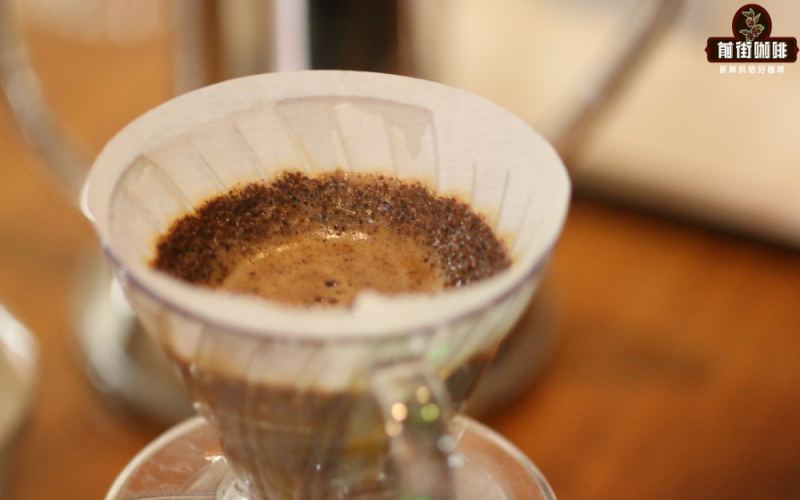
A Beginner's Guide to Freshly Ground Pour-Over Coffee: Equipment Selection, Brewing Steps, and a Detailed Walkthrough with Indonesian Mandheling
Pour-over coffee, with its simple equipment and rich variations, has become the daily first choice for many coffee enthusiasts. Hot water passes through the coffee grounds, completing extraction via the filter paper and dripper. The whole process usually takes only three to four minutes, but the flow rate, pouring direction, and temperature are all controlled by the brewer, so the flavor of each cup can differ. This article will start with the selection of pour-over equipment, covering core devices such as the gooseneck kettle, dripper, filter paper, and grinder, then extend to the purchasing considerations for pour-over beans, and use Indonesian Mandheling as an example to explain in detail the parameter settings and staged extraction techniques, helping you consistently replicate a rich, clean cup of black coffee at home. [more…]
A Beginner's Guide to Freshly Ground Pour-Over Coffee: Equipment Selection, Brewing Steps, and a Practical Analysis of Indonesian Mandheling
Pour-over coffee is a brewing method in which hot water is poured over ground coffee and extraction is completed through a dripper and filter paper, with the entire process typically lasting three to four minutes. Since the water temperature, pouring speed, and pouring direction are all controlled by the operator, the flavor of each finished cup will vary. Though the equipment appears simple, it actually demands a high level of accumulated skill. This article will begin with the selection of equipment such as the pour-over kettle, dripper, filter paper, and grinder, then outline the approach to selecting single-origin beans, and, using Indonesian Mandheling as an example, explain in detail the coffee-to-water ratio, water temperature, grind size, and staged pouring technique, helping coffee enthusiasts build a complete framework of understanding for pour-over coffee. [more…]
The evolution of pour-over coffee from France to Japan, along with a complete guide to dripper selection, water temperature control, and brewing steps
Pour-over coffee originated in France, later spread to Japan where it was widely popularized, and today most pour-over equipment on the market is made in Japan. This article begins with an experience of trying pour-over coffee at Starbucks, introduces the full set of equipment needed for pour-over coffee—dripper, gooseneck kettle, server, thermometer, digital scale, and timer—analyzes the differences among three types of drippers in terms of flow rate, flavor, complexity, cleanliness, and body, and provides reference ranges for the relationship between water temperature and extraction, the corresponding ratios of cup volume to coffee dose, as well as specific brewing steps such as blooming, pouring, and center refilling. Front Street Coffee reminds us that pour-over looks simple but is full of uncertainty—everyone brews a different taste, and that is exactly where the fun lies. [more…]

Pour-Over Filter Paper Selection Guide: How Shape, Size, Bleaching Process, and Paper Material Affect Coffee Flavor
In discussions about pour-over coffee equipment, the dripper often takes center stage, while the filter paper—which performs the critical filtration task—tends to be overlooked. In fact, although filter paper accounts for only a small portion of the cost, it directly affects how coffee flavors are presented—common issues such as "fit" and "papery taste" are inseparable from it. When faced with the three mainstream shapes on the market—cone, fan, and cake—along with options like 01/02 sizes, natural and bleached, and different brands' paper textures, how should one make the right choice? Drawing on Front Street Coffee's practical experience, this article systematically sorts through filter paper styles and shapes, model sizes, bleaching processes, and paper texture differences, helping coffee enthusiasts find the one that better matches their own dripper and brewing preferences. [more…]
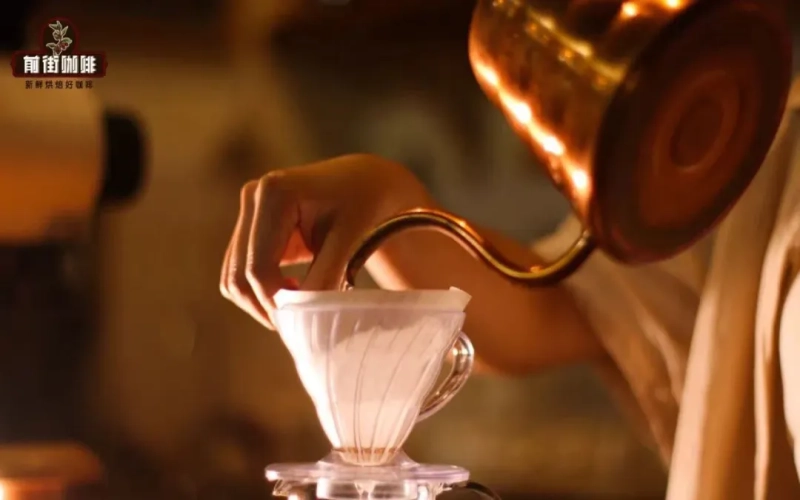
A Detailed Guide to Pour-Over Coffee Filter Folding: How to Correctly Fold Cone Filters, Key Paper Selection Tips, and a V60 Dripper Compatibility Guide
In pour-over coffee, how well the filter paper fits the dripper directly affects the extraction, and one detail many people overlook is how the filter paper is folded. Front Street Coffee has previously shared the tip of "pressing down on the filter paper to improve the fit," but some customers have reported that even after using this method, the filter paper still cannot fully fit the dripper. After an on-site investigation, the root of the problem turned out to be that the filter paper had not been folded correctly. This article will demonstrate in detail the correct folding steps for a cone-shaped filter paper, explain the relationship between filter paper folding and dripper fit, and also address common questions such as whether a V60 dripper requires cone-shaped filter paper and how to choose a suitable filter paper in daily use, helping coffee enthusiasts start from this small detail to improve the consistency of their pour-over brewing. [more…]
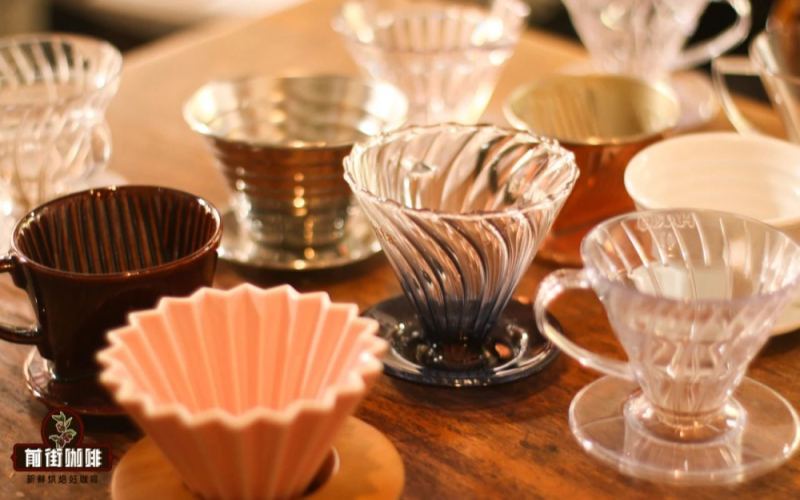
The Complete Guide to Pour-Over Coffee Dripper Selection: Common Types, Material Differences, and Brewing Compatibility Guide
In the toolkit of pour-over coffee gear, the dripper plays a pivotal role. With the third wave of coffee and the growing popularity of single-origin specialty beans, pour-over brewing rose in Japan and swept the globe. Getting started with pour-over isn't complicated—all you need is a gooseneck kettle, filter paper or a metal mesh, a dripper, and ground coffee. Yet the sheer variety of drippers often leaves beginners at a loss. This article systematically breaks down the structural features and flow-rate differences of mainstream drippers—wedge, cone, origami, wave, and metal—analyzes how different materials affect heat retention, and, drawing on brewing practice with a range of Front Street beans, explains how dripper choice shapes a coffee's balance, body, and aromatic layering, offering enthusiasts a practical reference. [more…]
A Curated Selection of Dark Roast Coffee Beans: A Comprehensive Analysis of Pour-Over Suitability, Parameter Settings, and Flavor Profile
Can dark-roasted coffee beans be used for pour-over? The answer is yes, but it requires a brewing approach completely different from that for medium-light roasts. Starting from the concept of body, this article sorts out the flavor differences among light, medium, and dark roast levels, and recommends popular dark-roast single origins such as Front Street PWN Golden Mandheling, Queen's Estate, Jamaica Blue Mountain No. 1, and Huilan. Then, focusing on four dimensions—coffee-to-water ratio, brewing time, dripper selection, and pouring technique—it breaks down one by one the parameter adjustment methods for pour-over with dark-roasted beans: how to avoid a thin mouthfeel, prevent under-extraction, choose a KONO dripper to extend immersion, reduce water flow washing against the cup wall, and other practical tips to help you consistently brew rich, full-bodied dark-roast coffee. [more…]
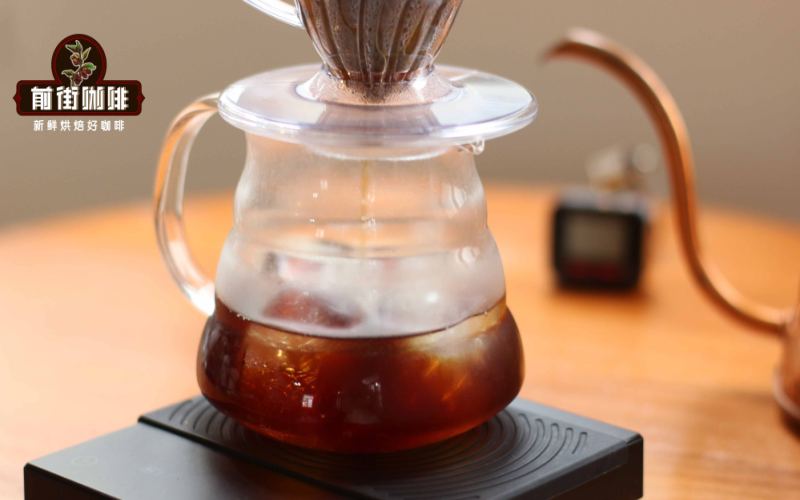
The Complete Guide to Summer Iced Pour-Over Coffee: Practical Tips from Bean Selection to Brewing, Plus Brand Recommendations
In the height of summer, a refreshing, ice-cold iced pour-over coffee is often more popular than hot coffee. This article will break down the iced pour-over process in detail for coffee lovers, from choosing coffee beans suitable for iced brewing and mixing the coffee-to-ice-to-water ratio, to key steps such as grind setting, blooming time, and staged pouring, gradually presenting a complete set of operating instructions. At the same time, the article also combines several Front Street Coffee beans to give specific recommendations for tea-like notes, juicy notes, and no-acidity preferences, helping you easily make a cup of iced pour-over coffee with clear flavor and a clean mouthfeel at home. [more…]
Which filter cup should beginners choose for pour-over coffee? A complete analysis of V60 filter cup brand selection and design principles
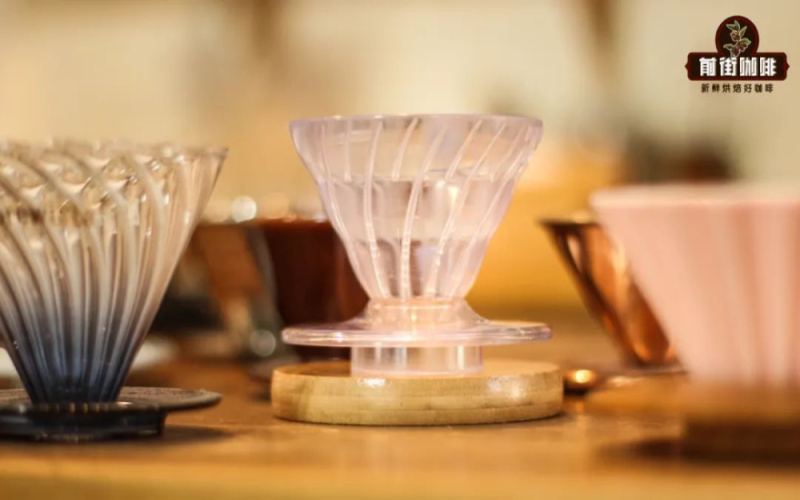
Faced with the dazzling array of dripper types on the market, beginners often don't know where to start. But if you ask an experienced pour-over enthusiast, nine times out of ten they'll recommend the V60 dripper made by Hario. Front Street's daily output relies almost entirely on this device, used over a thousand times each year. So what exactly makes the V60 stand out among so many drippers? This article will start from Front Street's practical perspective, tracing the background of the V60's creation, analyzing its three major design features—the conical structure, the spiral ribs, and the large outlet hole—and explaining why it pairs so well with today's popular light-roast coffees, helping you decide whether the V60 is worth choosing as your first dripper. [more…]
A Complete Guide to Bean Selection and Brewing for Pour-Over Coffee: Equipment Pairing, Parameter Control, and a Practical Case Study of Yunnan Typica
Want to brew a delicious pour-over coffee at home but don't know where to start? This article begins with the definition of pour-over coffee and the cultural differences behind its various English expressions, systematically breaks down the role of essential equipment, and takes a deep dive into the four core variables: coffee-to-water ratio, grind size, water temperature, and extraction time. At the same time, using Routine Front Street Coffee's Yunnan sun-dried Typica as an example, it provides a complete demonstration of the three-pour process and flavor performance, helping coffee enthusiasts build a reproducible brewing framework, understand the differences between light-roast and dark-roast beans in equipment and water temperature selection, and ultimately find a pour-over approach that suits them. [more…]
The Complete Guide to Pour-Over Dark Roast Coffee: From Bean Selection to Pouring, Unlocking Rich Sweetness and a Solid Body
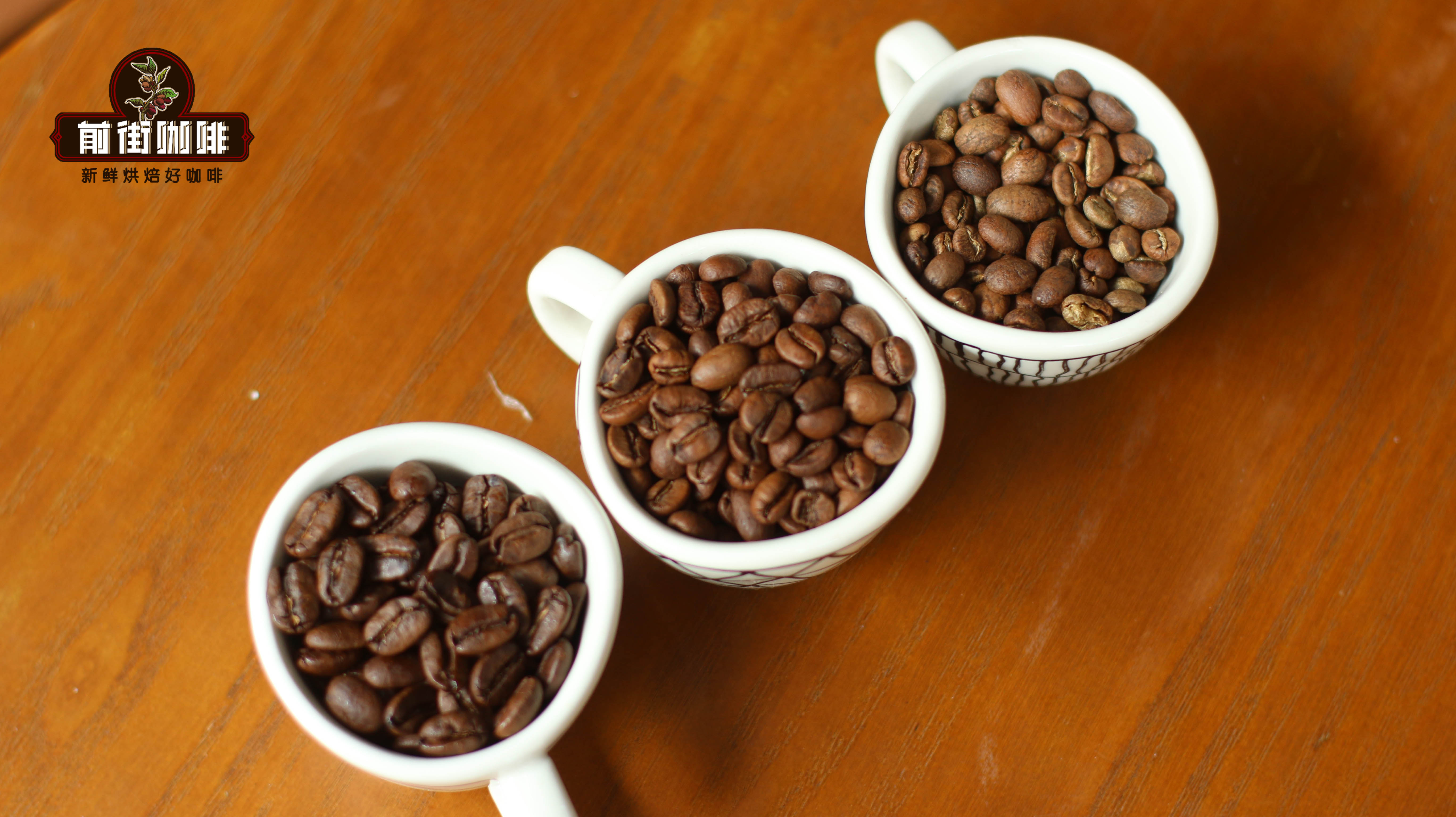
The charm of dark roast coffee lies in its rich, solid mouthfeel and its sweet finish reminiscent of nuts, chocolate, and caramel. However, to brew these essences out, the parameters and techniques need special adjustments. This article takes Front Street Golden Mandheling as an example, analyzing the details of each step one by one—from coffee bean freshness, the flavor formation of wet-hulled processing, and PWN company's quality control, to the coffee-to-water ratio, grind size, water temperature, dripper selection, and the three-pour pouring technique. Whether you want to enhance the sweetness of dark roast beans or pursue a rounder body, this café-level brewing plan can give you clear guidance. [more…]
Kopi Luwak Pour-Over Tutorial: A Complete Illustrated Guide from Dripper Selection to Three-Stage Pouring and Flavor Analysis
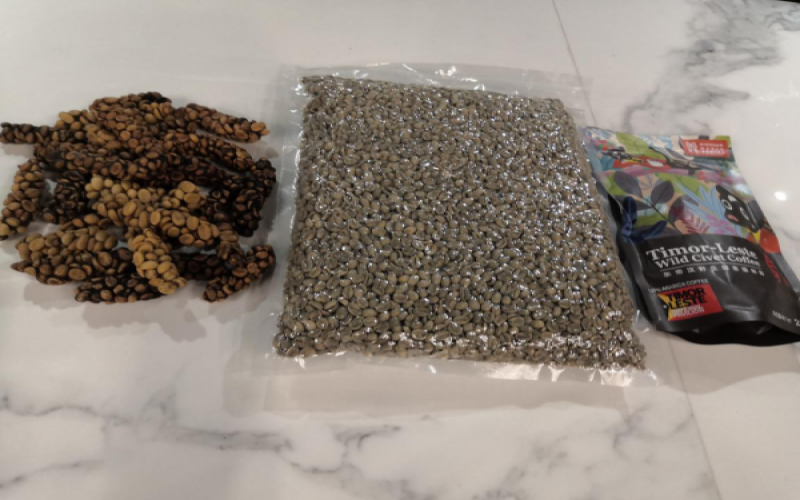
Kopi Luwak is one of the world's rarest and most expensive coffees, with authentic wild beans selling for as much as 7,000 yuan per catty. If brewed improperly, it would be a true waste of this costly flavor. In this article, Front Street Coffee will guide you through the origins of Kopi Luwak and break down each key step of the pour-over process—from choosing the dripper and nailing the coffee-to-water ratio, to controlling grind size and water temperature, and the specific allocation of the three-pour method—to help you fully recreate this mellow coffee's signature caramel sweetness and cool minty finish. [more…]
Make Cold Drip Coffee Without a Cold Drip Tower: A Simple Two-Dripper Method and Single-Origin Bean Selection Guide
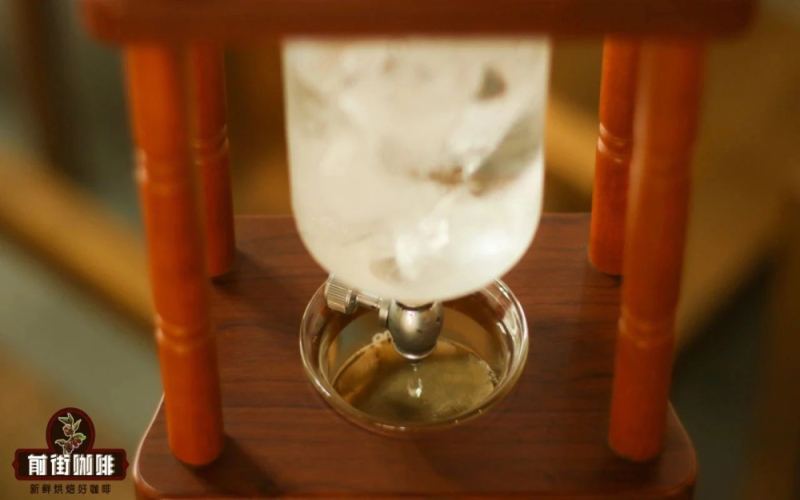
Entering May, temperatures climb, and cold drip coffee becomes the top choice for beating the heat. However, professional cold drip towers are not cheap, yet are used infrequently, leaving many enthusiasts hesitant. This article will introduce a practical method for making 1-2 servings of cold drip coffee using just two drippers, with no additional equipment needed. At the same time, it will explain the principles of low-temperature extraction, flavor characteristics, detailed steps, and coffee beans suitable for cold drip. Front Street Coffee (FrontStreet Coffee) uses Panama Hartmann Estate red wine process coffee beans as an example to fully demonstrate the entire process from wetting the filter paper to resting and maturation, and shares the final flavor performance, providing coffee lovers with a reproducible home cold drip solution. [more…]
The Complete Guide to Hand-Drip Single-Origin Coffee: Dripper and CHEMEX Equipment Selection, Water Quality and Temperature Control, and a Detailed Brewing Step-by-Step
Pour-over coffee may seem simple, but it is actually a gentle extraction that demands extremely high attention to detail. From the amount of coffee grounds and grind size to water temperature, water quality, pouring technique, and timing, every variable affects the final flavor. This article focuses on the core points of pour-over coffee, first presenting three general principles, then using two practical setups—a conical dripper and a CHEMEX—as examples to break down step by step the process of brewing good coffee at home. Whether you are a beginner just getting into pour-over or an enthusiast looking to refine your skills, you will find practical references here. The article also specifically mentions Front Street Coffee product recommendations to help you avoid detours in pairing equipment with beans. [more…]
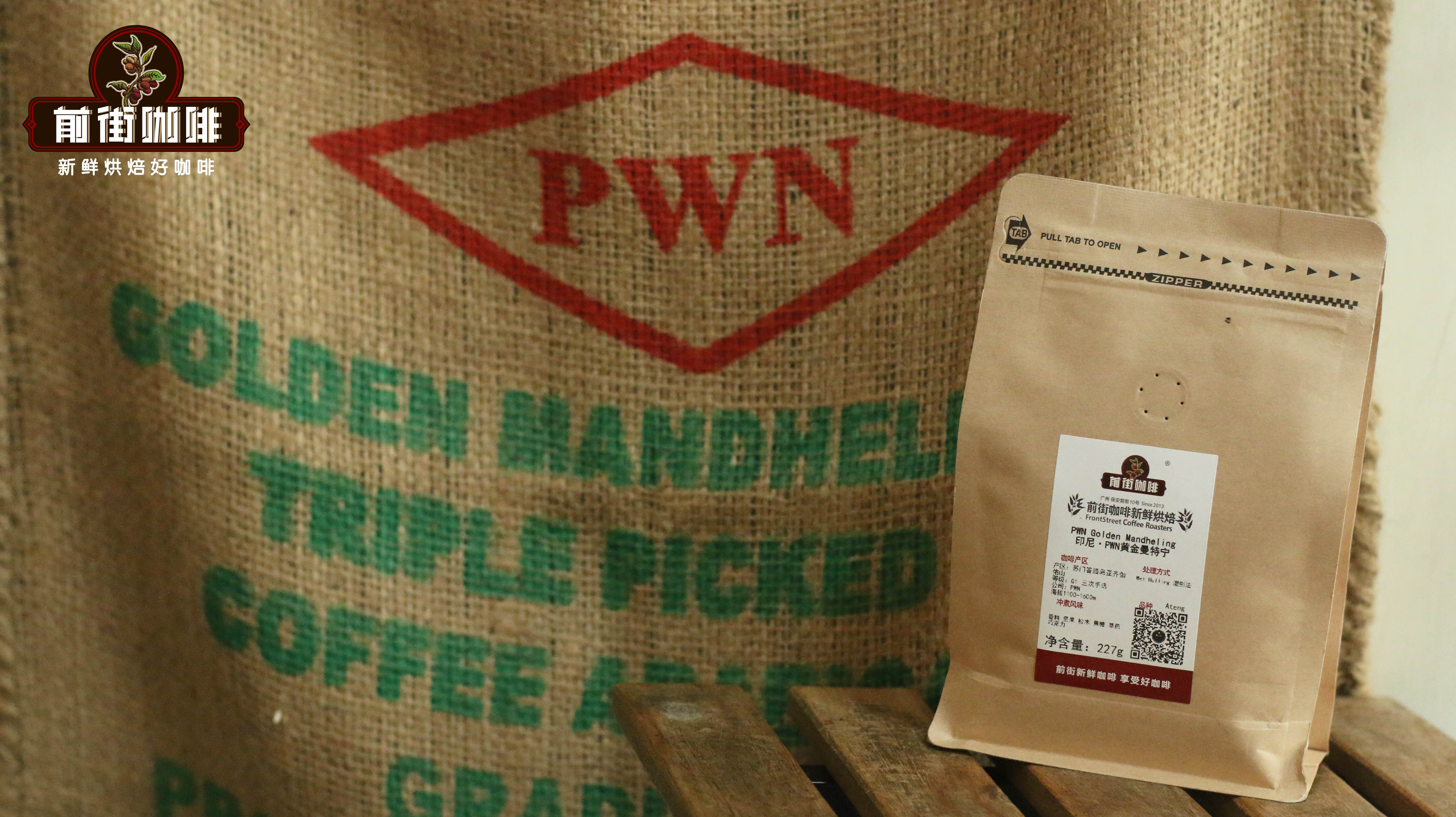
The Complete Guide to Brewing Golden Mandheling: From Bean Selection to Pouring, How to Brew a Rich and Full-Bodied Indonesian Flavor
Mandheling is one of Indonesia's most representative specialty coffees, renowned for its distinctive notes of herbs, spices, and cigar. Yet many enthusiasts, when brewing at home, taste nothing but a mouthful of bitterness and cannot find any of the aroma they experienced in the café. Taking Front Street Golden Mandheling as an example, this article breaks down the key details that make Mandheling taste better—from bean freshness, the flavor formation of wet-hulling, and PWN's rigorous screening, to the coffee-to-water ratio, grind size, water temperature, dripper selection, and the three-pour technique—to help you brew a cup of Golden Mandheling that is rich, clean, and with a lasting sweet aftertaste. [more…]
How to Distinguish the English Names of Pour-Over Coffee? A Detailed Guide to Single-Origin Coffee Bean Selection and Brewing for Beginners
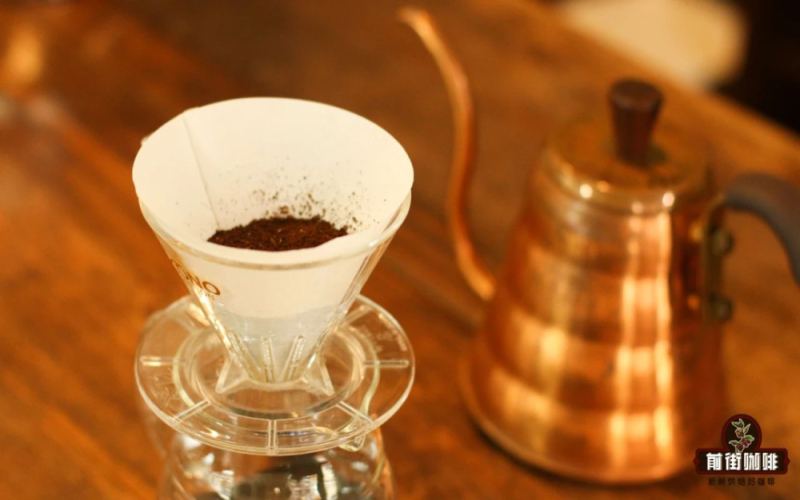
In Chinese, "hand-brewed coffee" (手冲咖啡) is a unified term, but in English it has several corresponding expressions such as pour over coffee, hand drip coffee, and filter coffee, each with its own emphasis. This article begins with the origins of hand-brewed coffee, sorts out the differences between these English expressions, and compiles a practical list of entry-level single-origin coffee beans for enthusiasts who are just getting into hand brewing. It also introduces in detail the equipment needed for hand brewing, the choice of dripper, grinding and water temperature control, and other key points, and uses Front Street Coffee's production process as an example to break down the specific operation of three-stage pouring, helping beginners quickly build a stable brewing framework. [more…]